
 Main Menu


Post
Intermediate wheatgrass as a dual use crop for grain and grazing


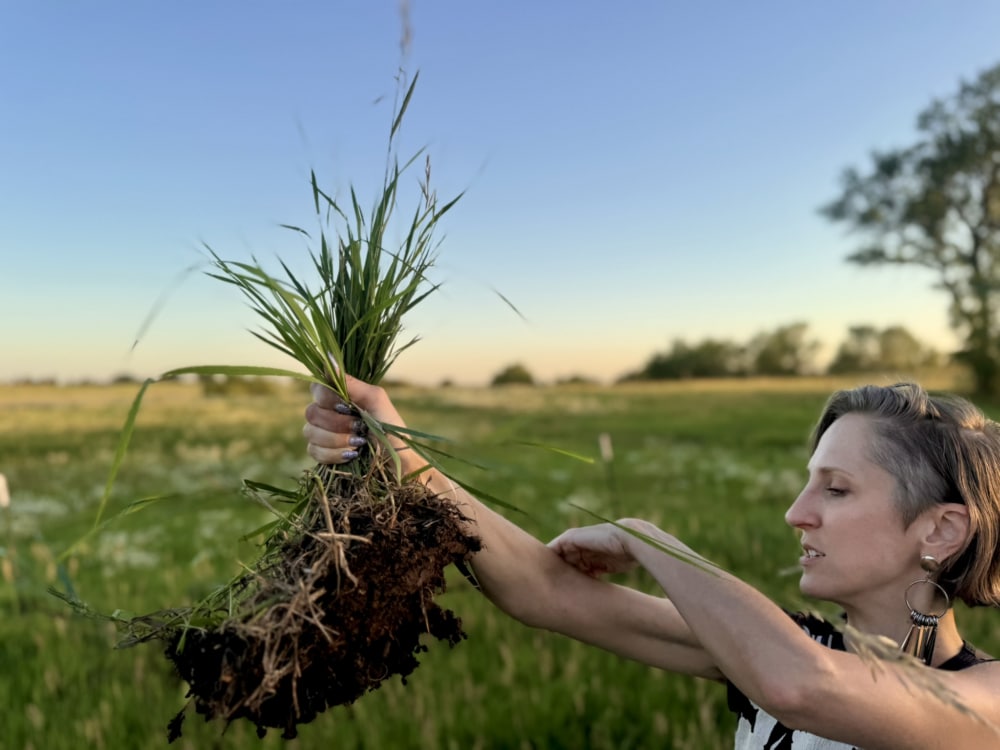
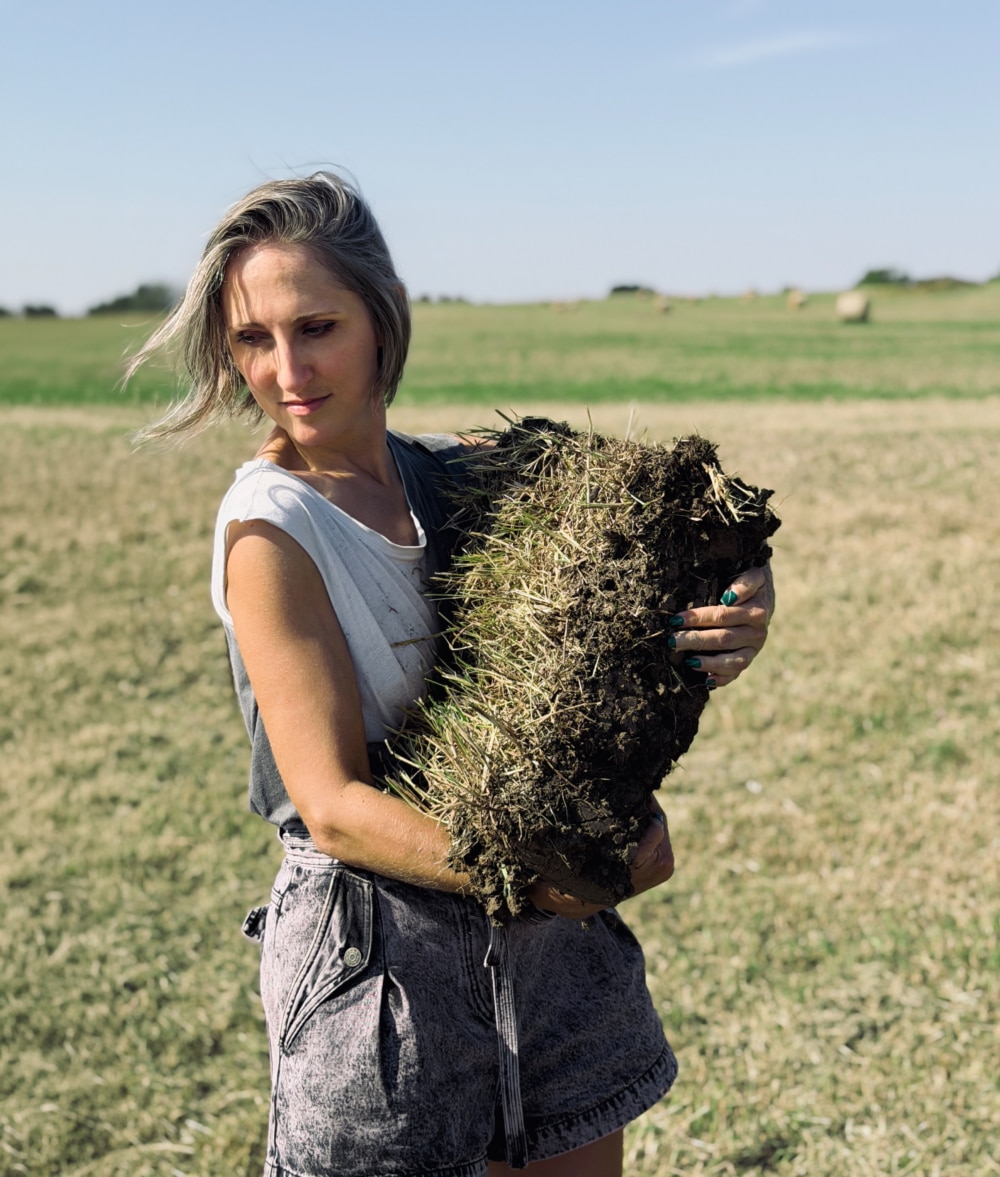
Starting in April 2026, The Land Institute embarked on a long-term project collaboration with renowned environmental artist Jenny Kendler. Over the next few years, a living art installation titled “House of Water” will be constructed and maintained at the northeast corner of Marty Bender Nature Area. “House of Water” is envisioned as an art, history, and ecological restoration project in one, exploring themes of harm, repair, and re-storying of lands.
The first phase of the installation’s construction is expected to be completed by September 2026. An announcement of the collaboration and celebration of the compilation of this first phase is planned for Prairie Festival 2026. As part of this first phase, a new trail segment will be added to the nature area’s existing 3-mile trail loop, expanding our trail network and providing the public with access to this cutting-edge and interdisciplinary installation that explores the past and future of just and perennial landscapes.
Check back regularly, as we will update this webpage as the project evolves. In the meantime, you can read the artist’s current artwork statement below or learn more about the project from our recent press release.
House of Water is a collaborative project created by ecological artist Jenny Kendler in partnership with an interdisciplinary team based at The Land Institute. The project encompasses a land and water-based artwork and a multi-year ecological restoration plan, intertwining sculptural practices, rewilding, and land art. Commissioned for The Land Institute’s 50th anniversary, the project is sited at the publicly accessible 200-acre Marty Bender Nature Area in Salina, Kansas.
House of Water takes the ghost-shape of an archetypal settler sod house—once a symbol of prairie destruction and colonial land control—and radically subverts it. Rather than welcoming human settlers, the sculptural pool, created in the sod house’s footprint, is designed to welcome water. And in contrast to “permanent” works of land art—built as enduring marks of human presence—House of Water was conceived from the start as ephemeral.
When settlers moved west into the prairies, one of the first marks of harm to the land was the “breaking of the sod” to construct a sod house. Soon after followed the plowing-under of the prairies, destroying an ancient, biodiverse ecosystem.
But settlement transformed more than the prairie’s surface—it radically altered how water moved through the landscape, and the eradication of bison disrupted the hydrologic rhythms that had structured prairie life for millennia. As keystone species and ecosystem engineers, bison were themselves wetland architects, creating and enlarging natural pools with hoof prints and wallowing.
Among the habitats diminished by this loss were vernal pools: shallow, seasonal wetlands and hotspots of biodiversity. House of Water begins from these conditions as an experimental gesture toward restoring water’s more complex and varied role in the landscape.
The project’s sod walls echo settler architecture, but the living waters they enclose offer instead a home for amphibians, macroinvertebrates, dragonflies, and native wetland plants. Around the rectilinear walls, a multi-year rewilding effort will restore native wetland and upland plant communities, while non-native phragmites are gradually removed through a process of “gentle restoration.”
House of Water is at once habitat and symbolic gesture: a small act of ecological repair in which the ghost of colonial architecture gradually dissolves into the landscape. As the sod walls weather, slump and eventually disappear, the distinction between artwork and restored habitat will disappear with them. What remains is water—and a place for visitors, human and more-than-human, to linger and return.
Ecological repair through artThrough House of Water, we are asking what it means to actively deconstruct the legacy of extraction. By allowing the ghost-architecture of a settler dwelling to literally melt back into the earth as a healing gesture, we are shifting the narrative from one of human dominance to ecological repair through an interdisciplinary collaboration that invites native biodiversity to return to formerly cultivated lands.


