 Main Menu


Post
Intermediate wheatgrass as a dual use crop for grain and grazing

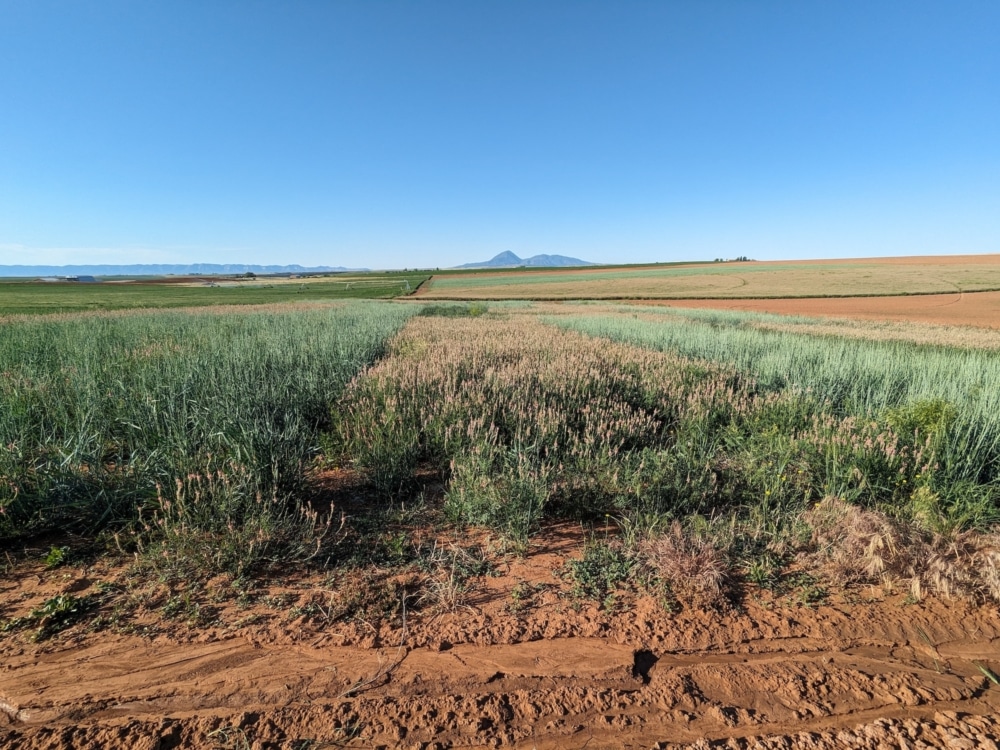
Researchers leading collaborative work in the Upper Colorado River Basin published an article highlighting the climate-resilient potential of perennial grains as alternative forage crops that conserve water and support farmers in this drought-prone region.
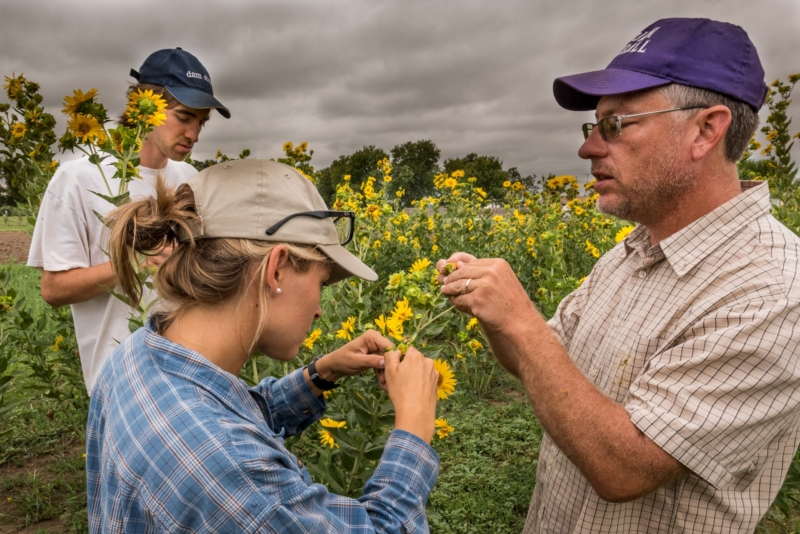
Although forage crops currently grown in the region (primarily alfalfa) are both highly productive and large drivers of its rural economies, these crops dominate water use in an area already experiencing significant drought. To address this pressing issue by finding agricultural solutions that use less water and keep working lands in production in a changing climate, this research group is analyzing the feasibility of Kernza® perennial grain, perennial Baki™ bean (derived from sainfoin, a perennial legume), and silflower (a perennial oilseed) as productive forage crops that could offer farmers a replacement to historical options like alfalfa.
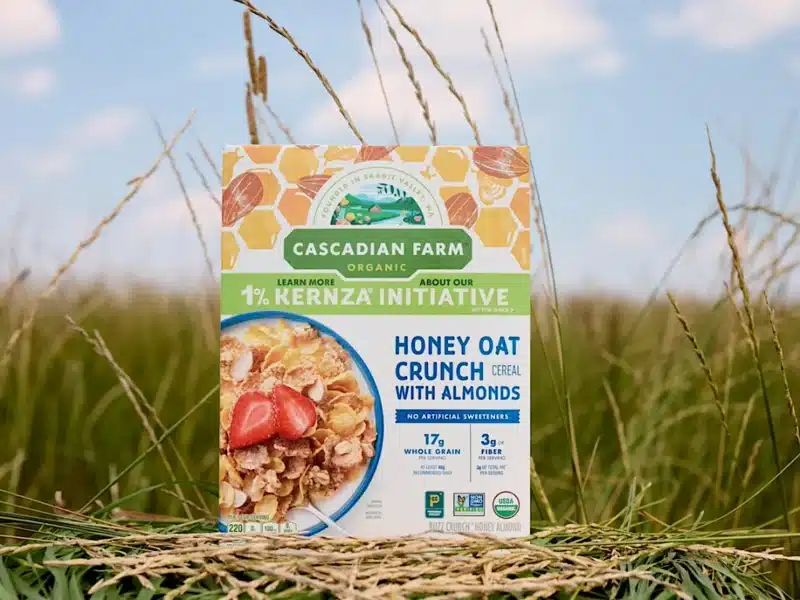
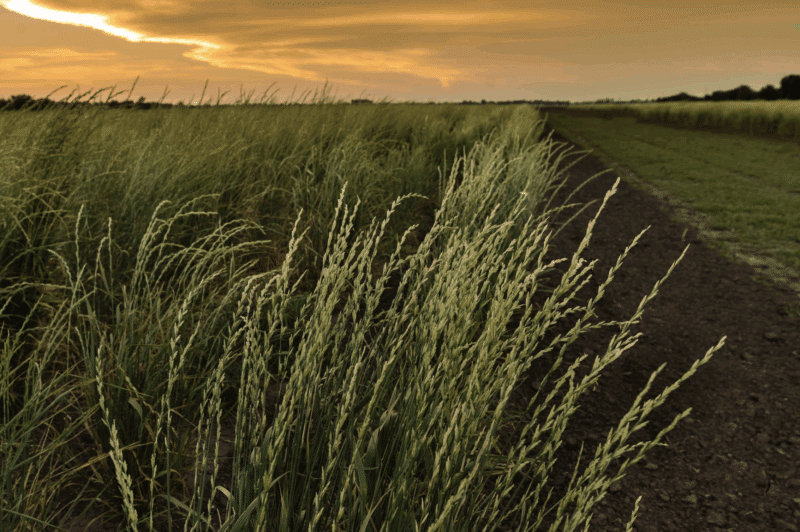
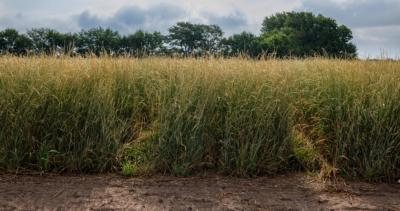
Crops like sainfoin have already demonstrated promise in matching the water availability during key times of the season while providing a stable and nutritious crop for animals, and research is ongoing to study how Kernza’s benefit as a dual-purpose grain and forage crop could allow it to fit into farmers’ operations while using fewer inputs.
This project, co-led by The Nature Conservancy, Colorado State University, American Rivers, Trout Unlimited, and The Land Institute, is an important step in developing new, climate-resilient tools for farmers that allow stable production and economic growth while conserving the critical water resources that allow this region to thrive.