 Main Menu


Post
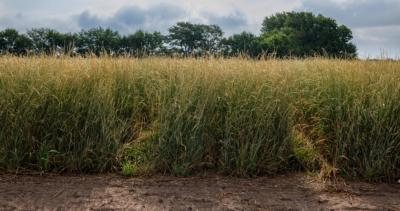
Intermediate wheatgrass as a dual use crop for grain and grazing



Table of Contents: Land Report (Number 10, Summer 1980)
Page 2
The Student Program: Eight Semesters Completed
A summary of the spring semester’s activities, including the mix of academic study and physical work undertaken by students and research associates.
New Board Members Elected
The Land Institute announces the election of new members to its Board of Directors and the addition of several honorary board members.
Grants Are Received
The institute has received funding from several foundations to support student tuition, specific research projects, and the development of the prairie herbary.
Page 5
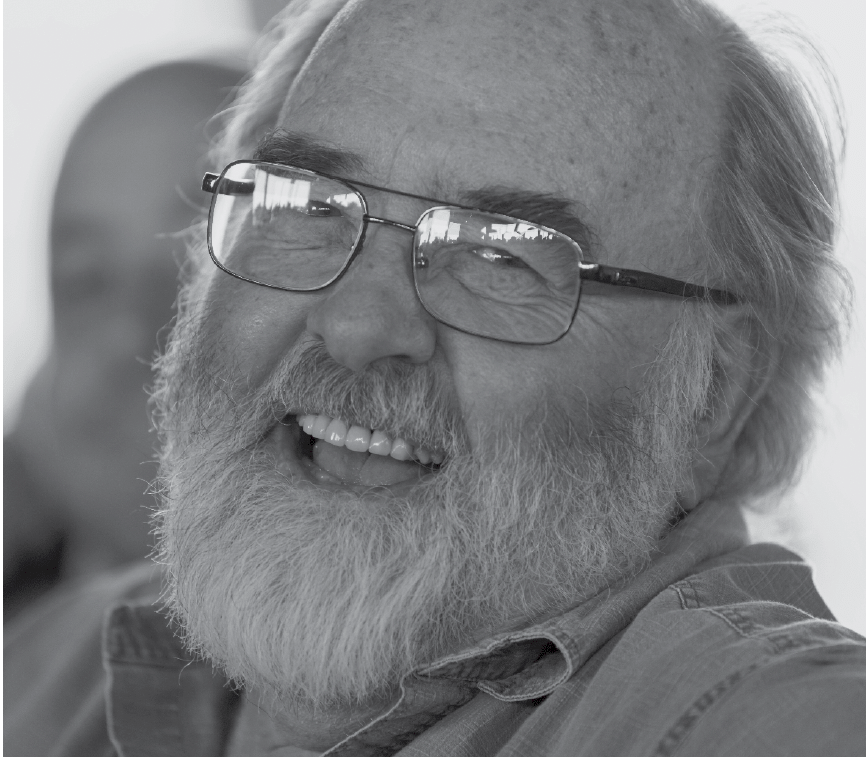
In Memory of Rev. W. E. Cassell
A tribute to the late Rev. Cassell, a founding board member and inspirational teacher who shared his wisdom with students at The Land.
Prairie Herbary is Planted
The establishment of a garden for native prairie perennials is underway, intended for both educational display and germplasm preservation for research.
Page 7
Biological Intensification of Agriculture
Kelly Kindscher discusses the benefits of polyculture cropping systems as a way to reduce reliance on chemical inputs and move towards a sustainable agriculture.
Page 12
Building a Compost Pile
Stan Tippin provides a practical guide to the biological principles and construction methods for creating a successful compost pile.
Page 13
Perennial Polyculture Research
Marty Bender details ongoing research into perennial grain crops, including breeding efforts with Eastern Gamagrass and Zea diploperennis and various polyculture experiments.
Page 15
New Roots for Agriculture
Announcement of Wes Jackson’s book, which analyzes the problems of modern agriculture and proposes a solution based on perennial polycultures.
Page 16
Towards Community Self-Sufficiency
Mari Peterson reports on the progress of the County Energy Planning Project in Wabaunsee County, where residents are gathering data to plan their energy future.
Page 17
Is It a Miracle? Barry Commoner’s Alcohol Fuels Policy
A critique of the proposal to use crop residues for alcohol fuel, arguing that it would deplete soil organic matter and threaten long-term fertility.
Page 20
Some Impacts of a Biomass Energy Conversion System
Bill Craig examines the energy efficiency and environmental costs of biomass fuels, concluding that conservation is a more viable option than massive fuel production from land.
Page 22
The Newspaper House from Start to Finish
The final chapter in the life of the experimental newspaper house, which was dismantled after succumbing to weathering and structural failure.
Page 24
EARTH DAY ’80
A report on the local Earth Day celebration in Salina, which featured music, speakers, and displays on environmental themes.
Page 25
Gaining Political Sophistication for the Second Environmental Decade
Dana Jackson reflects on the need for environmentalists to become more politically effective in the 1980s, citing experiences with awards ceremonies and conferences.
Page 29
The Great Plains in Transition: An Open Letter to Six Governors
Wes Jackson challenges the plan to pump water from the Missouri River to the Ogallala Aquifer, arguing it is economically and energetically unfeasible.
Page 31
Urbanization of Agricultural Land
A summary of a discussion on the loss of prime farmland to development in Saline County and the challenges of land use planning.
Page 32
Prairie Festival ’80
Laura Jackson describes the second annual Prairie Festival, which brought together friends and supporters for music, speakers, and celebration despite threatening weather.