 Main Menu


Post
Intermediate wheatgrass as a dual use crop for grain and grazing


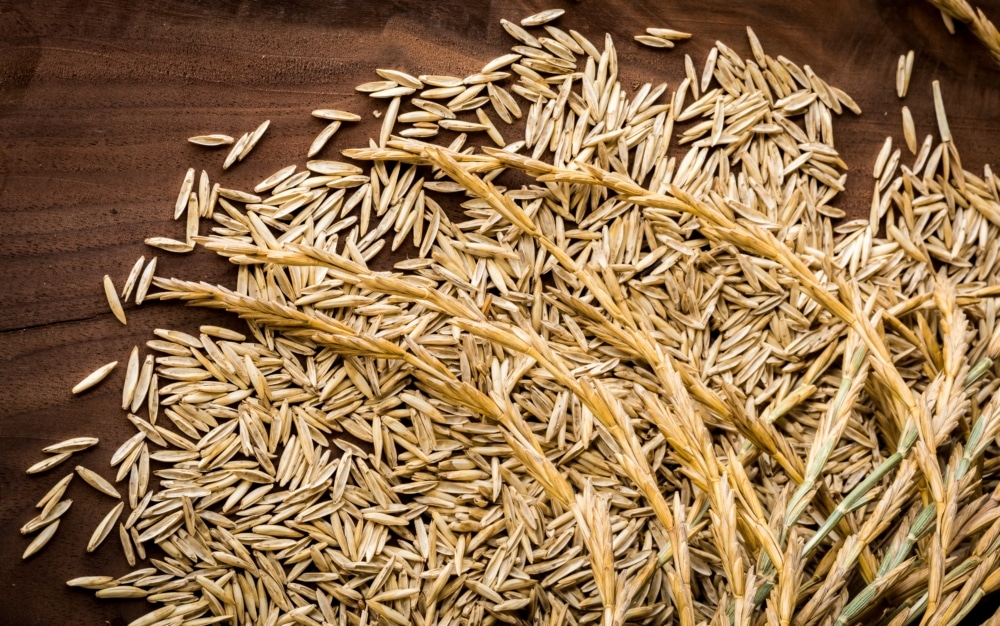
A new Kernza research paper offers a holistic review of the perennial grain’s current status as it pertains to agronomy, environmental benefits, and nutritional value. The authors ultimately offer insights into Kernza’s nutritional potential and its application as a perennial grain food ingredient to support its adoption in sustainable diets.
Intermediate Wheatgrass (IWG), a perennial grain, is gaining increasing attention as a sustainable alternative to conventional cereals due to its environmental and nutritional benefits. This review explores IWG’s cultivation, processing, and nutritional potential, while critically examining both the advantages and limitations of its adoption in food systems. Additionally, it proposes future research directions to advance IWG’s role in sustainable food systems. IWG offers significant agricultural, economic, and environmental advantages, making it a promising sustainable crop. Despite nutritional challenges hindering its widespread adoption, IWG is rich in dietary fiber, protein, and essential micronutrients, surpassing traditional grains in nutritional value. Advances in processing, such as flour refinement, extrusion, and bran treatment, have addressed some limitations. Innovations in dough improvement and functional additives further enhance the quality and consumer appeal of IWG-based products, although certain aspects remain understudied. While progress has been made in understanding IWG’s nutritional potential, further research is needed to improve flour rheology, optimize value-added product formulations, and develop enzymatic treatments. This review highlights innovative processing methods and the incorporation of diverse functional ingredients as promising strategies to improve the quality of IWG-based foods and promote their broader adoption in sustainable diets.