 Main Menu


Post
Intermediate wheatgrass as a dual use crop for grain and grazing


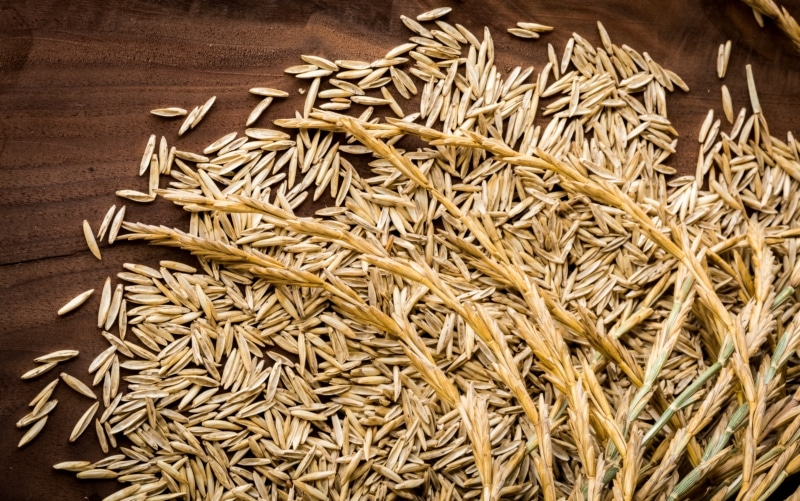
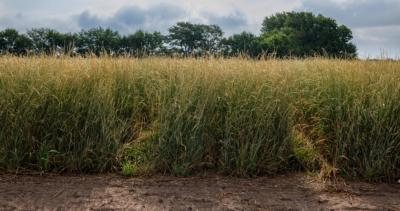
University of Wyoming researchers published a paper highlighting the dual-purpose forage and grain potential of Kernza perennial grain and its potential utility in semiarid regions compared to wheat-fallow rotations, highlighting opportunities for favorable economic outcomes for farmers working in vulnerable lands.
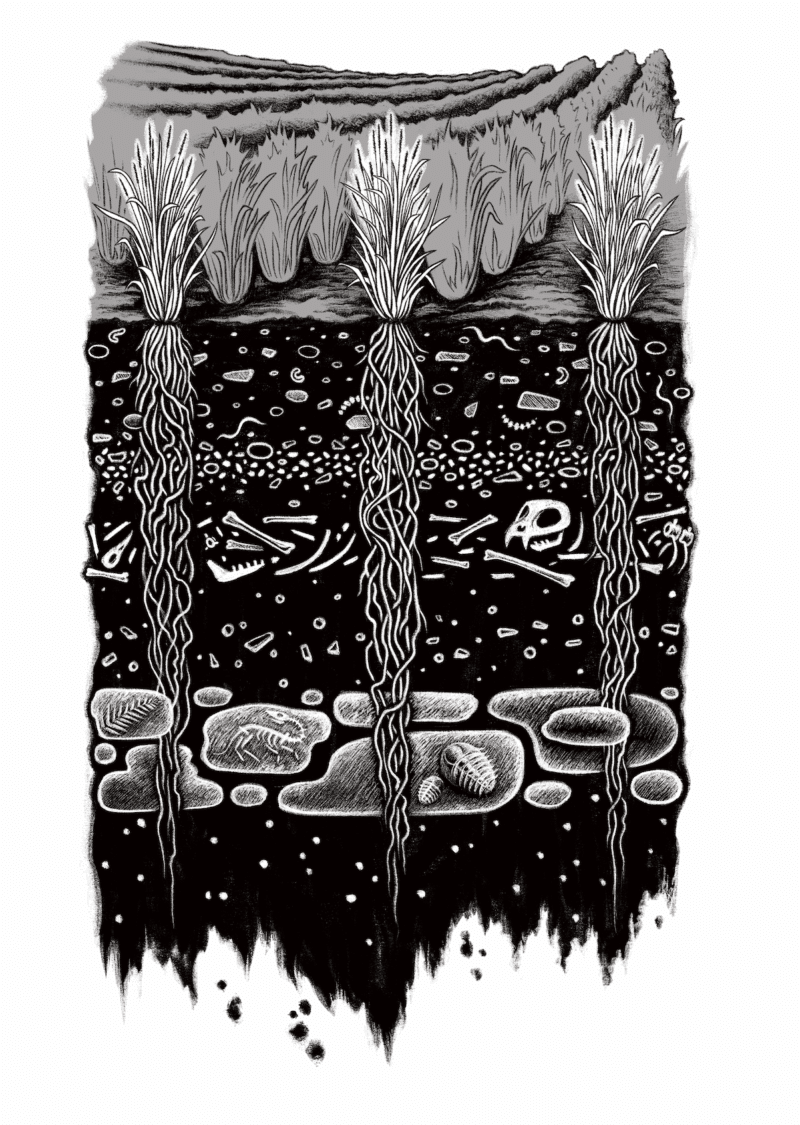
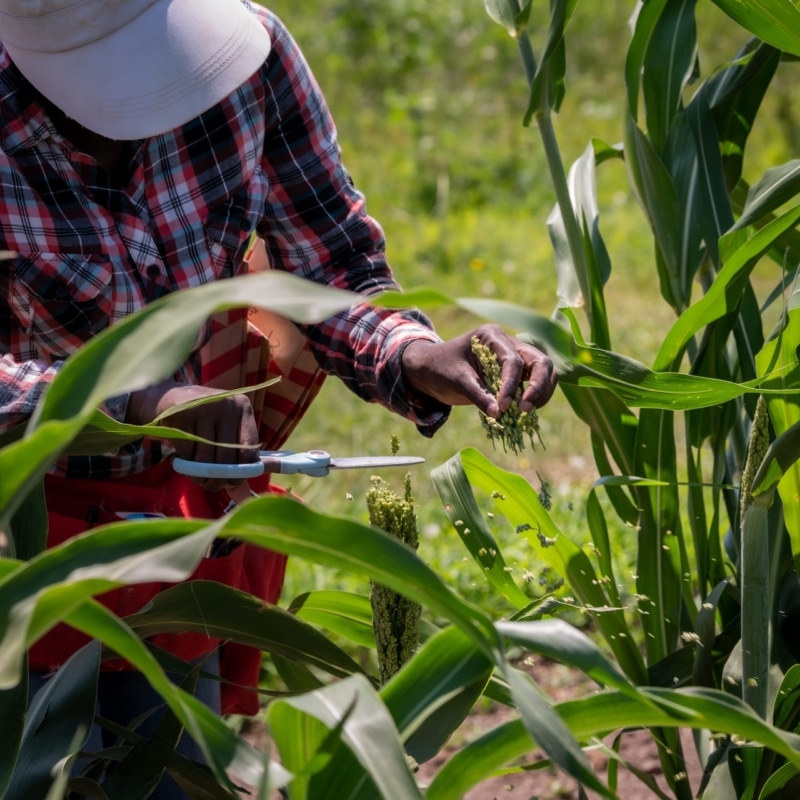
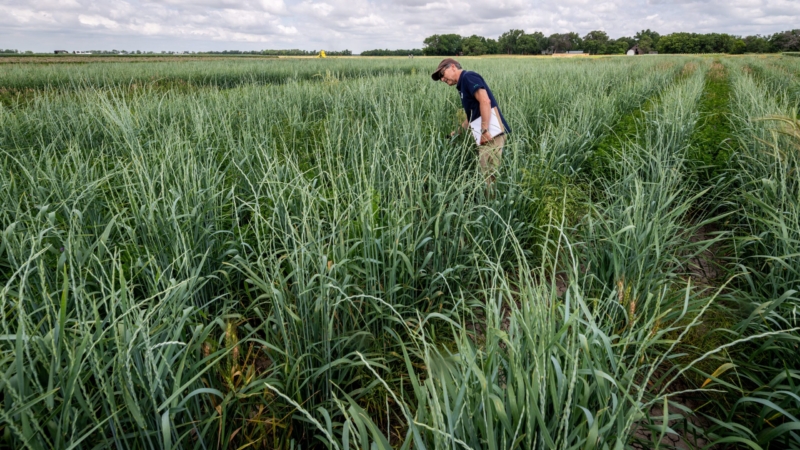
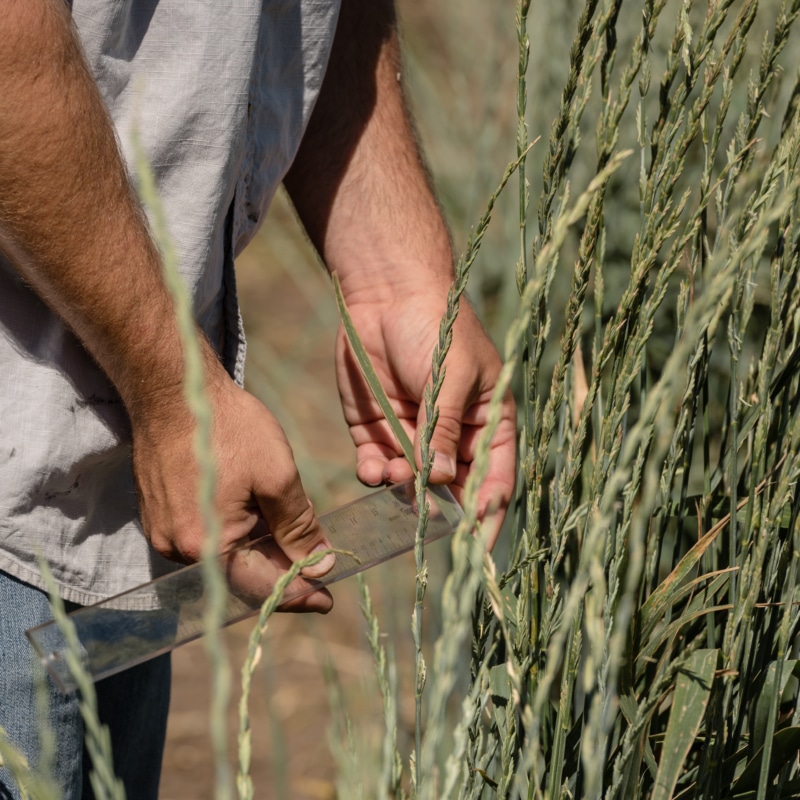
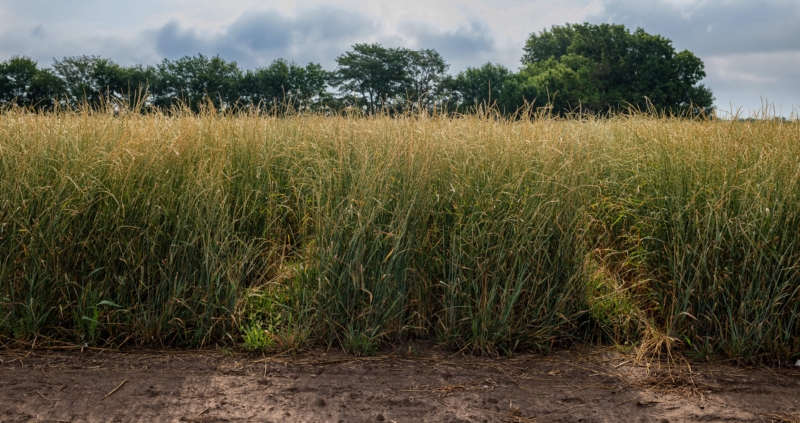
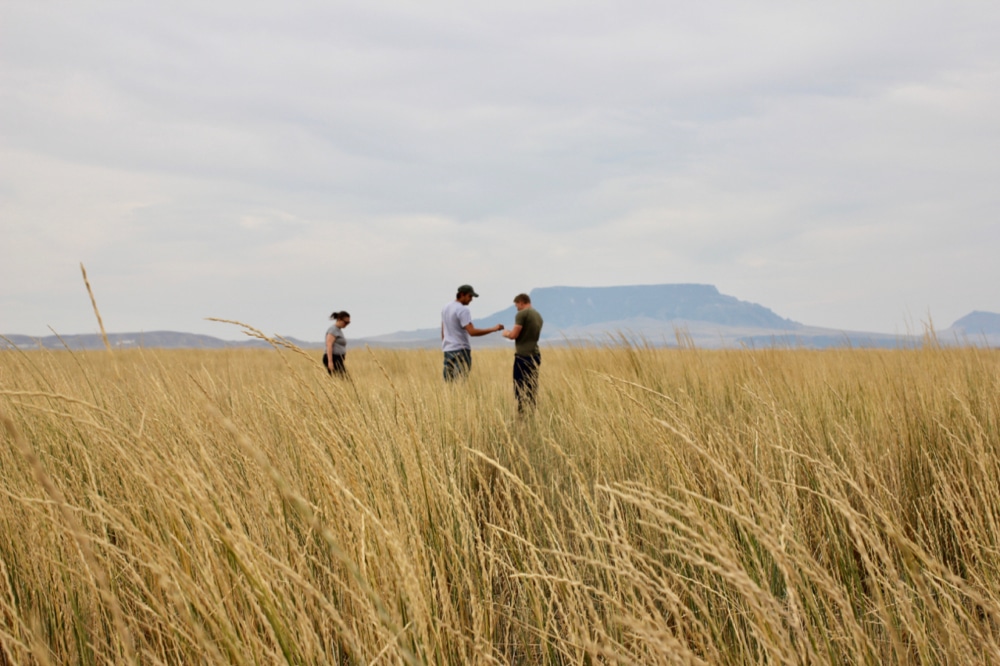
Kernza®, a perennial grain crop created from intermediate wheatgrass (Thinopyrum intermedium), has the potential to mitigate soil degradation in semiarid croplands of the Northern High Plains. From 2021 to 2023, Kernza was grown for the first time in Wyoming and compared at the field scale to winter wheat–fallow and Conservation Reserve Program (CRP) systems on a working farm. We measured grain and forage yields, root biomass, and soil health and microbiology in bulk and rhizosphere soils. The first growing season was dry, and Kernza produced substantial forage (2995 kg ha−1) but insufficient grain for harvest. In the second year, Kernza produced 286 kg ha−1 of grain, compared to 2172 kg ha−1 for wheat. After two years, Kernza and wheat differed in rhizosphere—but not bulk—soil properties; Kernza rhizosphere organic matter, enzyme activities, and microbial communities were more similar to the rhizosphere of intermediate wheatgrass from CRP than to that of winter wheat. Kernza also produced nearly three times more root biomass and rhizosphere organic matter than winter wheat. Although Kernza remains a low-yielding crop in development, potential soil health benefits, a high market value, and the flexibility to harvest grain or forage may make it a viable option for this region.