 Main Menu


Post
Intermediate wheatgrass as a dual use crop for grain and grazing


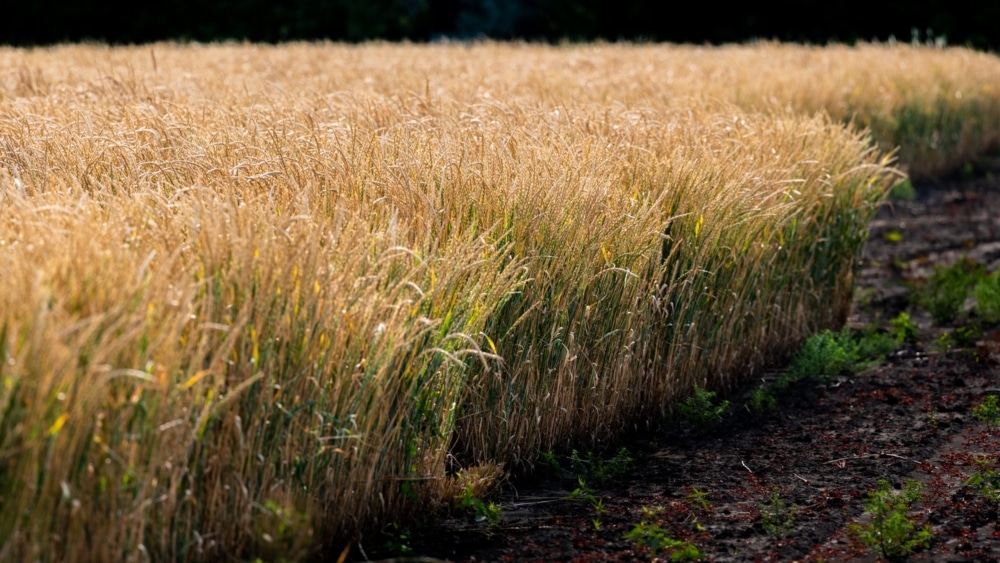
The root–rhizosphere of perennial wheat was explored by research partners at the University of Parma in Italy, who characterized the root-soil ecosystem beneath this perennial grain and how its composition could contribute to defense against certain stresses, such as disease. The presence of specific metabolites in certain perennial wheat lines could lend insights into locating parent candidates for new perennial wheat lines.
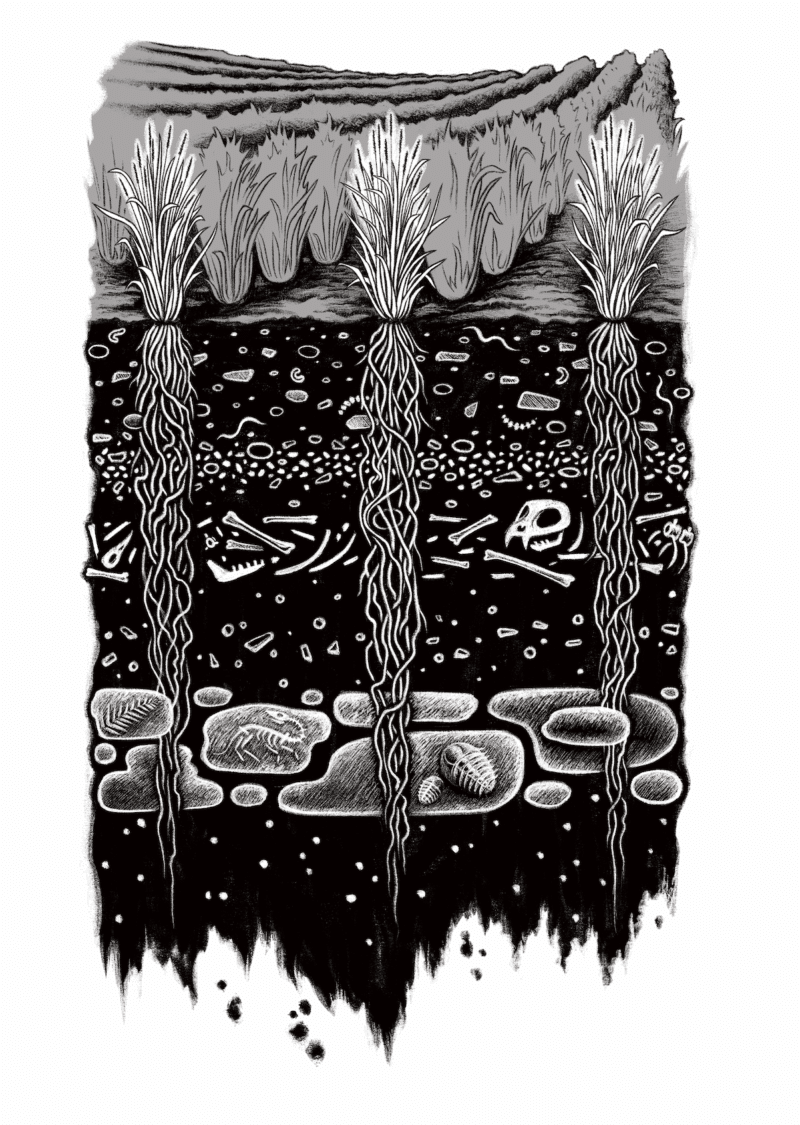
Perennial grain roots grow continuously, enhancing soil carbon sequestration and forming a “holobiont” with the microbiome, essential for nutrient acquisition and stress resilience. Consequently, perennial grains serve as ideal models for investigating long-term dynamics between root systems and the rhizosphere environment. Despite their potential, the rhizosphere environment of perennial grains remains underexplored. This research utilizes an untargeted metabolomic approach to characterize the root–rhizosphere molecular signals in four new perennial grain (NPGs) lines named 235a, 280b, 11,955, and OK72, across four years of growth.
Metabolomic analysis annotated 2,527 metabolites, most of which originated from fungi (30.3%), bacteria (23%), and plants (15.5%). Principal component analysis explained 54.8% of the variation between rhizosphere and root metabolites, with 8.7% variation separating 1st and 4th year root metabolites, while rhizosphere metabolites showed less variation between years. The comparison between the annual durum wheat variety and NPGs revealed 616 differentially abundant metabolites in roots and 15 in the rhizosphere, already at the 1st year of growth. In the 4th year, NPGs metabolomes diverged significantly from Thinopyrum intermedium, which had been in the soil for 11 years, with 184 root- and 138 rhizosphere-differentially abundant metabolites. Comparison between genotypes diversified NPGs in the 1st year, showing a higher abundance of root metabolites in OK72 than in the other lines, including key modulators of root architecture such as glutathione and serotonin, and compounds from α-linoleic acid metabolism, which are known to induce systemic resistance against pathogens and herbivore defense. Differences among NPGs also emerged in the 4th year, with OK72 separating from the other three and, like Thinopyrum intermedium, showing a higher abundance of purine nucleosides and diazanaphthalenes.
The metabolomic analysis revealed that, starting in the 1st year, the roots of NPGs produce a set of metabolites distinct from those of the annual durum species, many of which are defense molecules against biotic and abiotic stresses (e.g., syringic acid, glutathione, and compounds of the α-linoleic acid pathway). The OK72 genotype, which exhibits traits more aligned with perennialism below ground, differs from the other lines in the abundance of several interesting metabolites, confirming it as an ideal parental candidate for developing new perennial wheat lines.