 Main Menu


Post
Intermediate wheatgrass as a dual use crop for grain and grazing


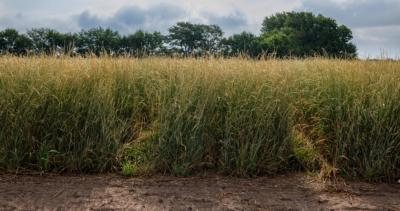
Learn how researchers are revealing insights for Kernza breeding efforts to understand how genetic markers are associated with key agronomic traits like grain yield and shatter resistance.
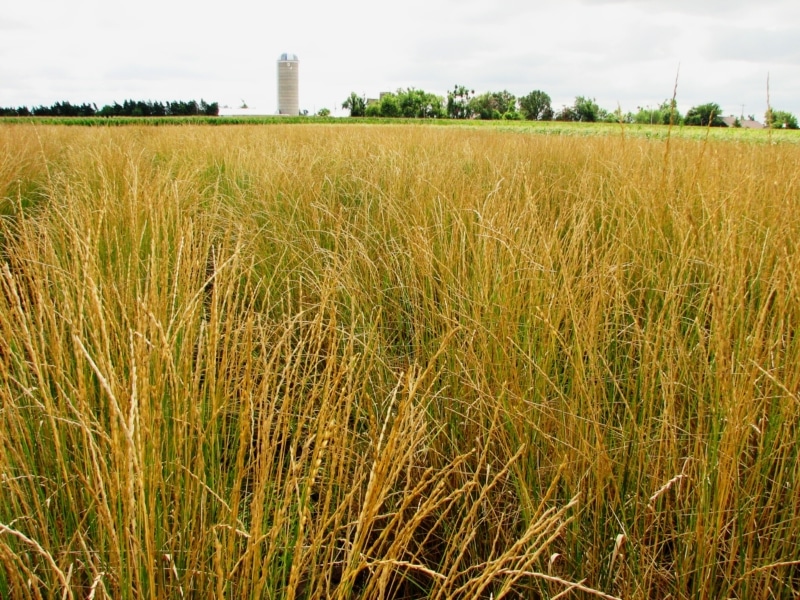
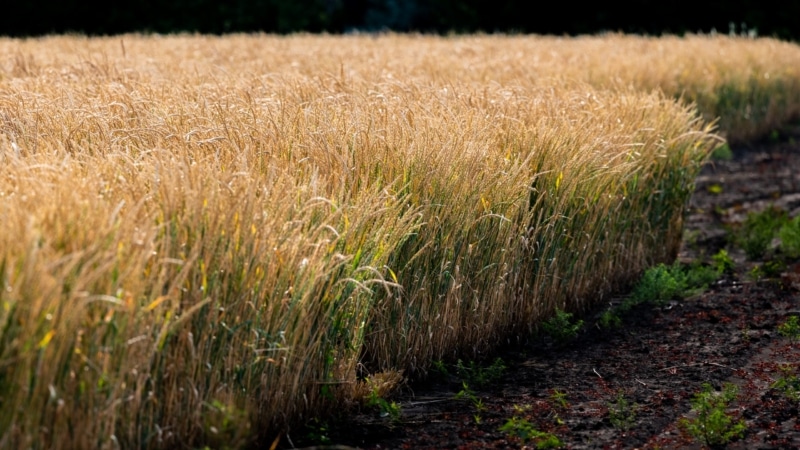
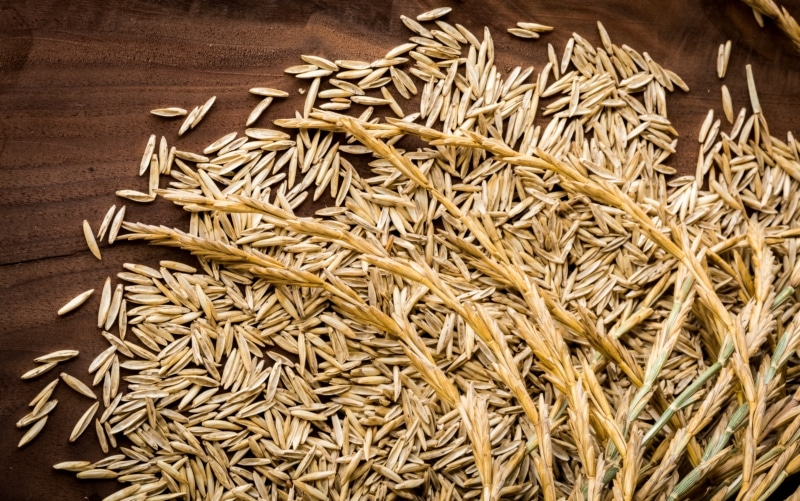
Intermediate wheatgrass (IWG) (Thinopyrum intermedium, Kernza) is a perennial forage grass undergoing neo-domestication as a grain crop. IWG provides numerous ecosystem services and has the potential to benefit rural communities as an alternative crop option with high market value. However, IWG has only been under development as a perennial grain crop for the past few decades and at the University of Minnesota (UMN) since 2011. Improvements in grain-related traits, market development, and agronomic management are needed for the long-term viability of IWG as a Midwestern grain crop. In this study, 225 parent genets (genetically unique individuals) from UMN IWG breeding Cycles 2, 3, 4, and 5 were cloned, planted, and evaluated for 2 years at two locations. Plants were genotyped using genotyping-by-sequencing to get 12,072 single nucleotide polymorphisms and phenotyped for key domestication and agronomic traits. A genome-wide association study (GWAS) identified 36 quantitative trait loci (QTLs) for shattering, seed size, and yield traits, which individually explained an average of 13% of the phenotypic variation. Several QTLs mapped to the same homoeologous chromosomes or regions as previously identified domestication and agronomic loci in IWG and other cereal species. Changes in allele frequencies for significant QTL across breeding cycles were examined, which identified 12 alleles under selection. Several favorable alleles remain at minor frequencies, indicating substantial potential for continued genetic improvement. Integration of GWAS hits as fixed effects within genomic selection models could enable recurrent selection schemes that strategically increase favorable allele frequencies and stack positive traits for long-term gain.
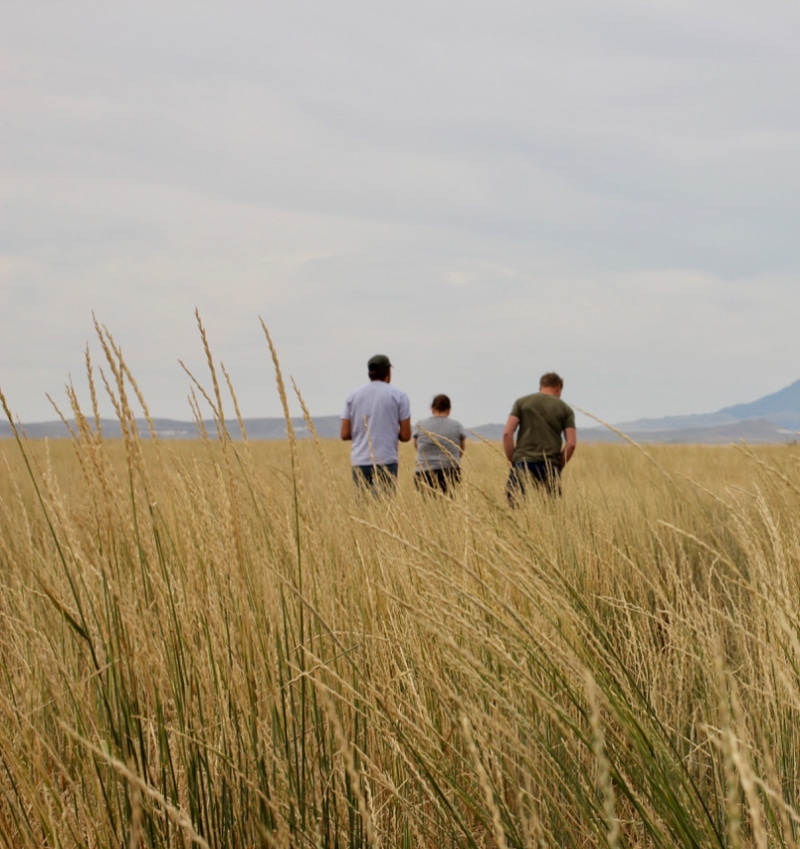
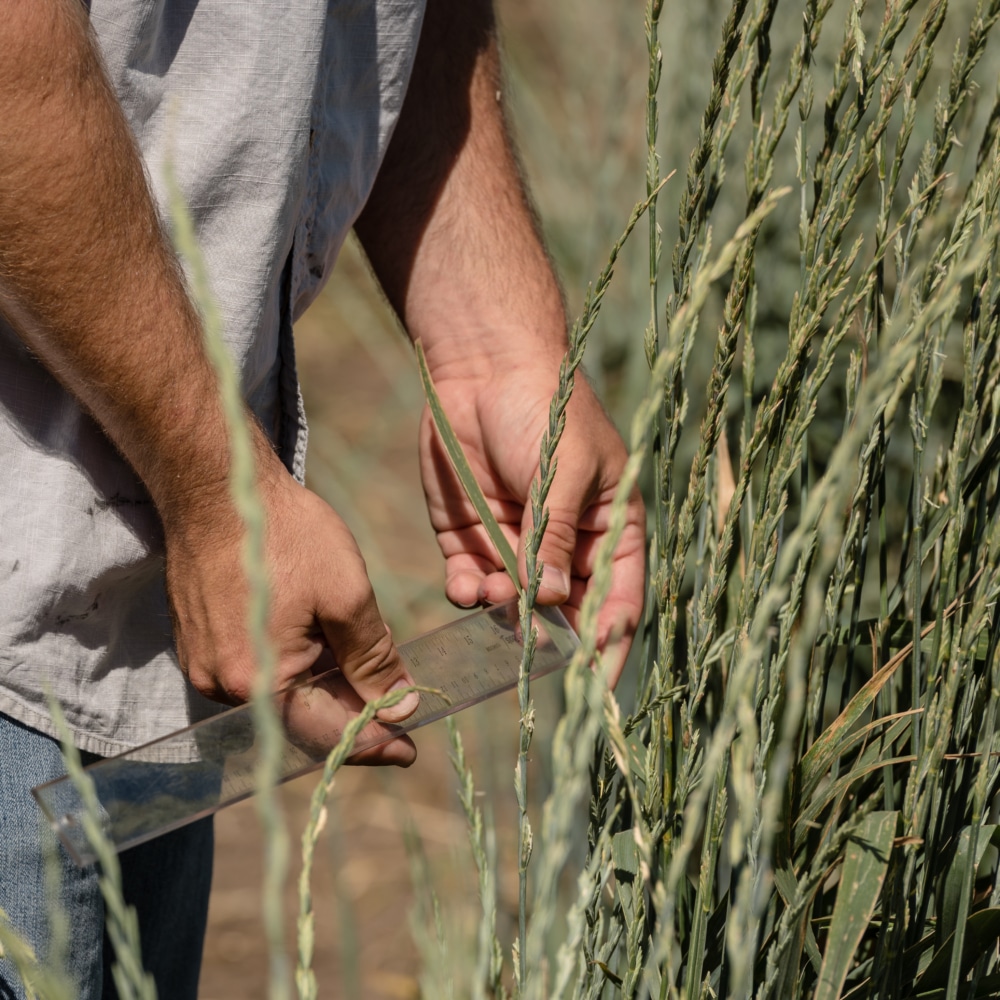
Intermediate wheatgrass (also called Kernza) is a perennial grass being developed as a new grain crop for human consumption. It can protect soil and improve water quality, and give farmers a high-value crop option. In this study, we evaluated 225 genetically unique plants from several University of Minnesota breeding cycles. These plants were grown for 2 years at two Minnesota locations. We measured traits such as seed size, grain yield, and how easily seeds fall from the plant (shattering). We also analyzed each plant’s DNA to look for genetic markers linked to these traits and to see if they are changing over breeding cycles. We identified 36 regions of the genome associated with key traits, some of which appeared to be under selection. These findings can be applied to improve future breeding progress in this crop.