 Main Menu


Post
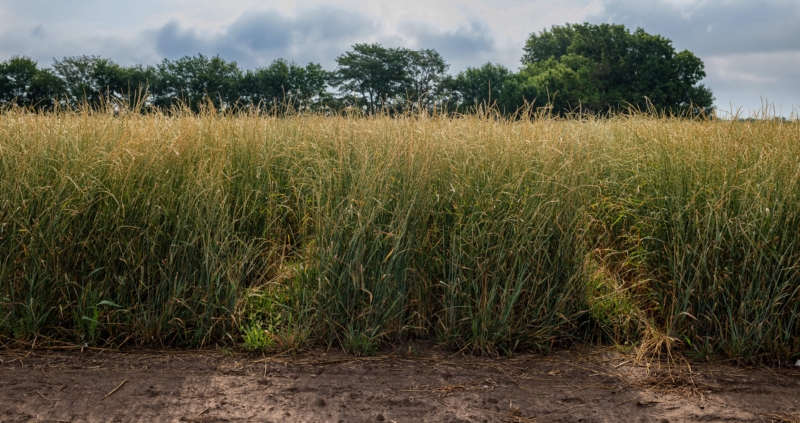
Intermediate wheatgrass as a dual use crop for grain and grazing

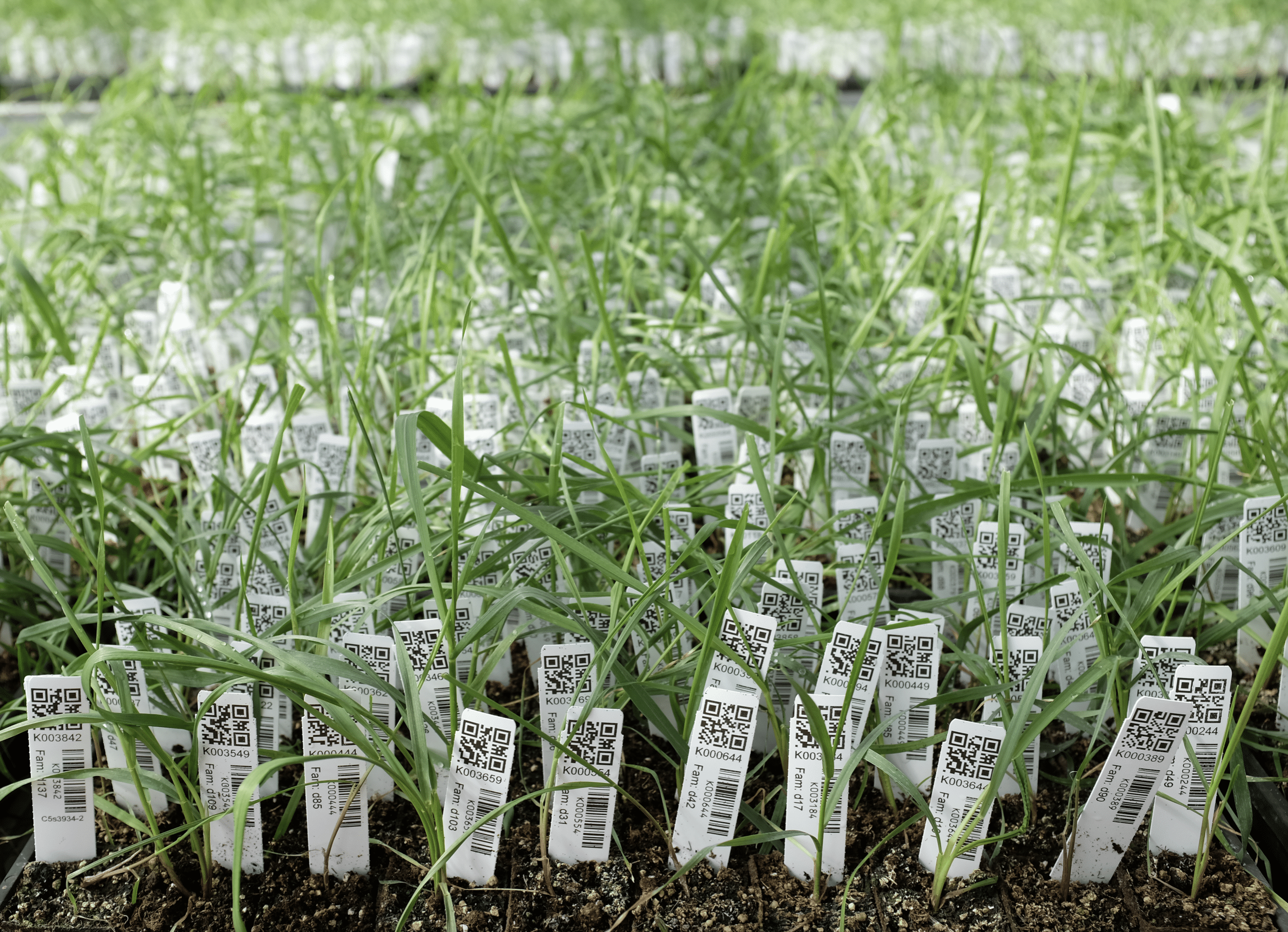
Crop protection research from The Land Institute demonstrates that Kernza seed coat treatments and mycorrhizal inoculation could enhance water uptake by seedlings, thereby aiding Kernza growth during periods of drought.
Perennial grains, such as Kernza® (Thinopyrum intermedium) show promise in their ability to produce grain crops while withstanding drought and temperature extremes. However, Kernza establishes slowly, particularly in dry soils. Seed coat treatments that retain water around the germinating seed (superabsorbent polymers, or SAPs) or assist water uptake in the seedling (arbuscular mycorrhizal fungi, or AMF) could improve Kernza establishment. We conducted a greenhouse study to test the efficacy of two SAPs, one AMF inoculant (Rhizophagus intraradices), and each SAP × AMF combination as seed coats, on Kernza germination and growth under well-watered versus drought conditions. Two AMF treatments had higher proportion emergence under drought conditions than non-drought. Aboveground seedling biomass was significantly lower in four of the five seed coat treatments compared to their non-drought counterparts, but control plants did not exhibit this size reduction. Plant root colonization by AMF increased in all non-drought treatments regardless of seed coat treatment. Contrary to expectations, both SAPs tested did not improve germination and actually hindered growth under drought conditions. The AMF inoculant sometimes improved germination, but not seedling development. Future research on improving Kernza seed establishment should target more species-specific AMF inoculants or nutrient supplements as seed coats, rather than SAPs.