 Main Menu


Post
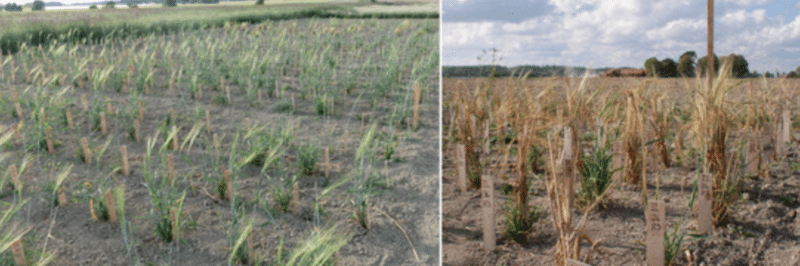
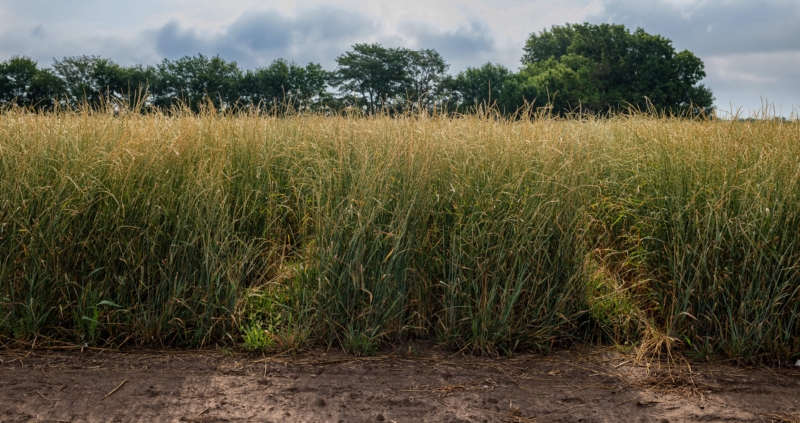
Intermediate wheatgrass as a dual use crop for grain and grazing


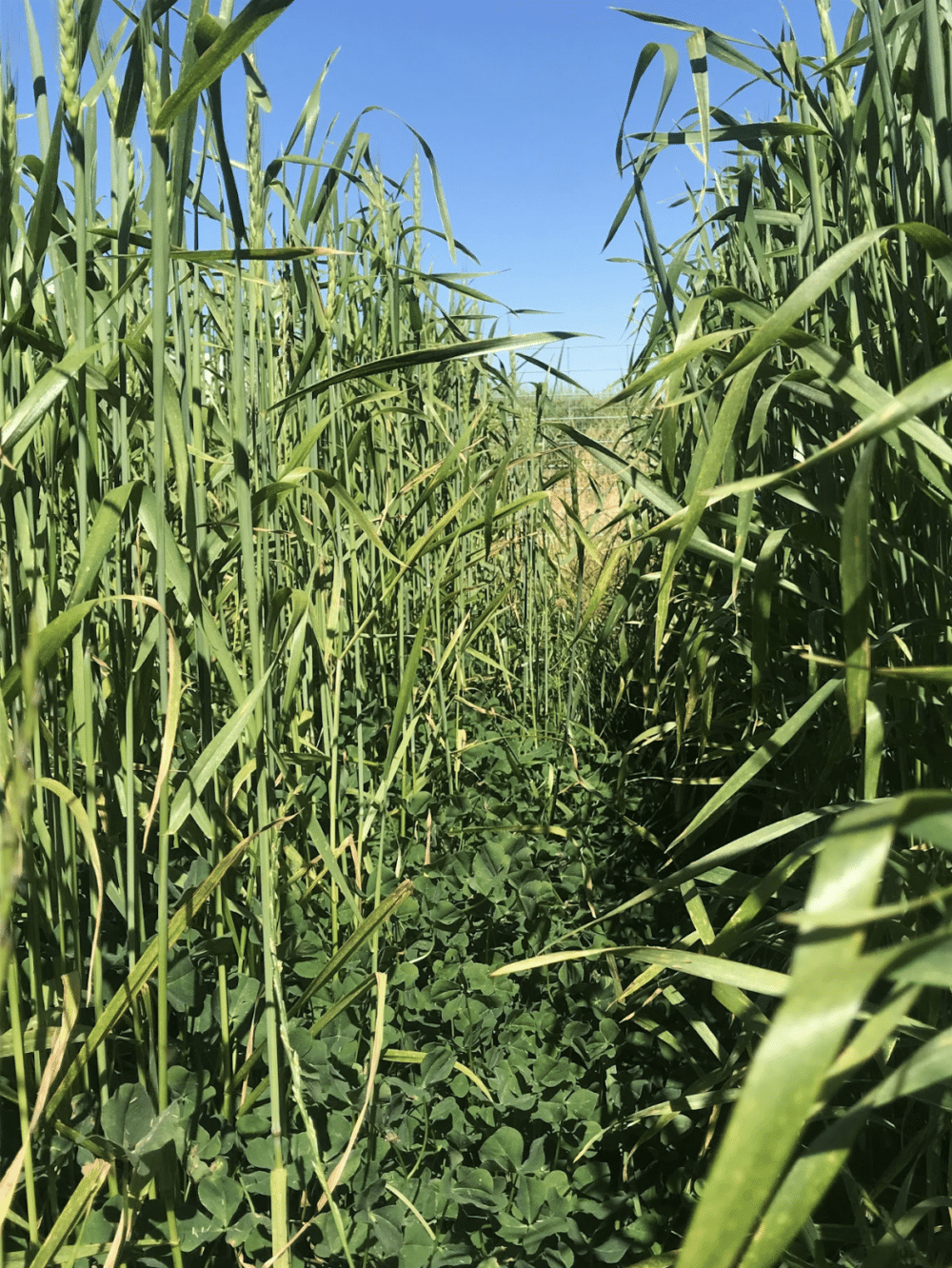
A global research collective examined how perennial crops and cropping systems can increase beneficial microbial biomass in soils alongside increased soil organic carbon. This research lends insights into deploying perennial cropping systems for climate-resilient agriculture.
Perennial cropping systems are increasingly promoted for providing a wide range of ecosystem services in agriculture, including climate change mitigation through soil organic carbon (SOC) sequestration. However, the microbial mechanisms underlying SOC sequestration remain unresolved. We conducted a global meta-analysis of 84 peer-reviewed studies comprising 514 paired comparisons between perennial and annual cropping systems. Results showed that compared with annual cropping systems, perennial cropping systems simultaneously increased SOC and microbial biomass carbon (MBC) in the topsoil (0–30 cm) by 15% and 37%, respectively. The log response ratio of MBC was statistically associated with the log response ratio of SOC, explaining 51% of the variance in SOC response. A framework based on partial least squares path modeling demonstrated that increases in MBC were more strongly associated with SOC accrual than with a wide range of environmental factors. Overall, our findings provide evidence that increases in MBC are statistically associated with SOC accrual in perennial cropping systems, indicating a critical role of microbial processes in shaping the SOC accrual potential of perennial systems. These results underscore the need to integrate soil biological mechanisms into carbon management strategies and highlight the potential of adopting perennial crops for climate-smart cropping systems