 Main Menu


Post
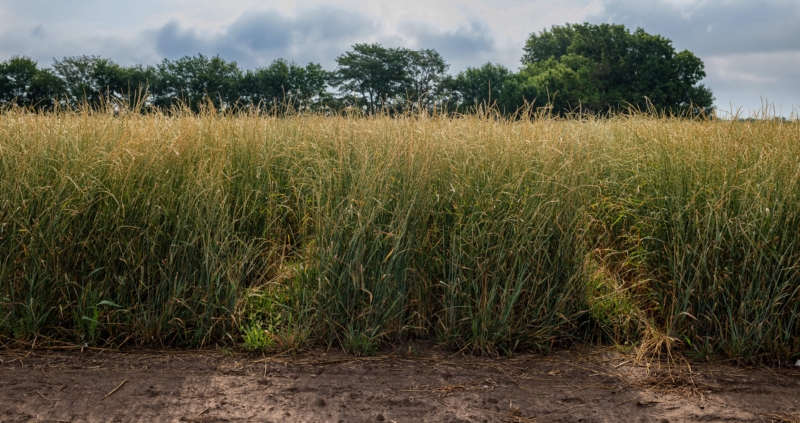
Intermediate wheatgrass as a dual use crop for grain and grazing

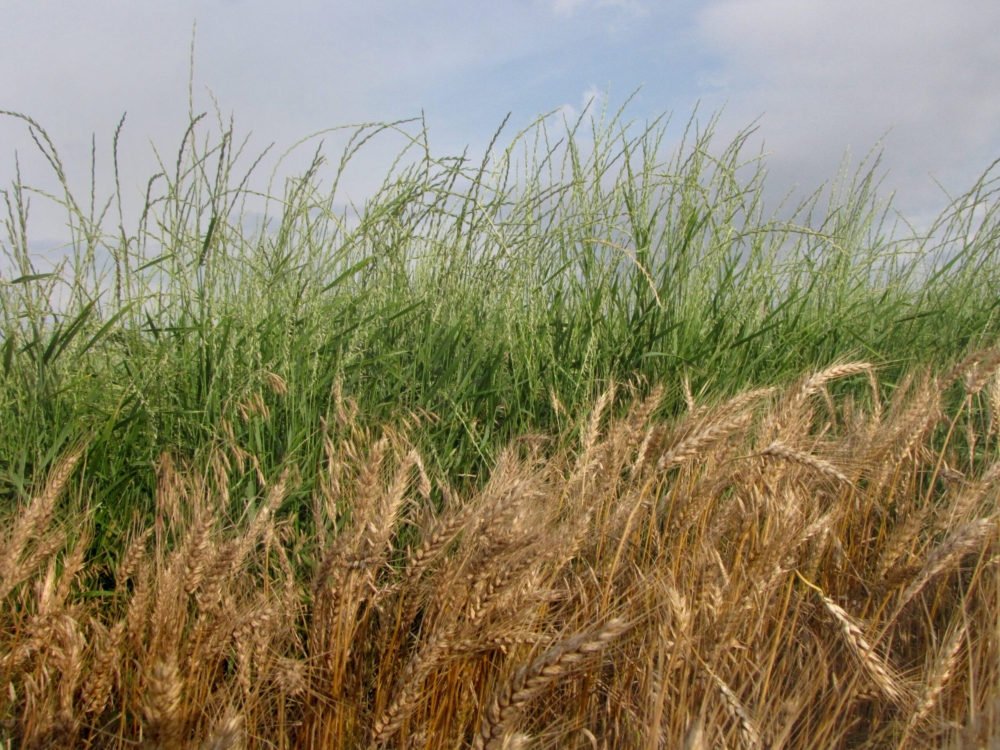
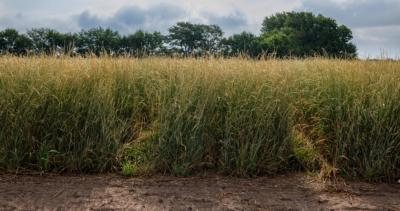
The environmental impacts of annual versus perennial cropping systems were analyzed by a global group of scientists from the US, France, and Sweden, with results indicating that intermediate wheatgrass (the perennial plant that produces Kernza®) showed better performance relative to several key environmental factors, although it still requires yield improvements to be a competitive alternative to annual grains for farmers.
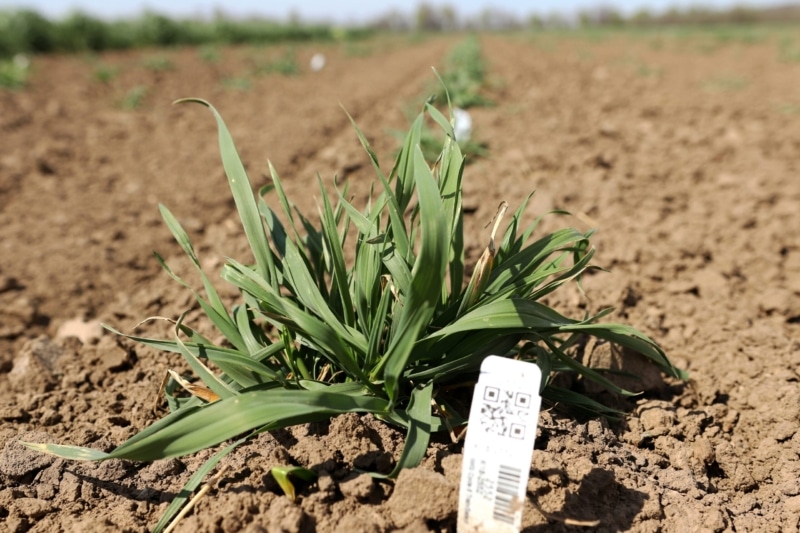
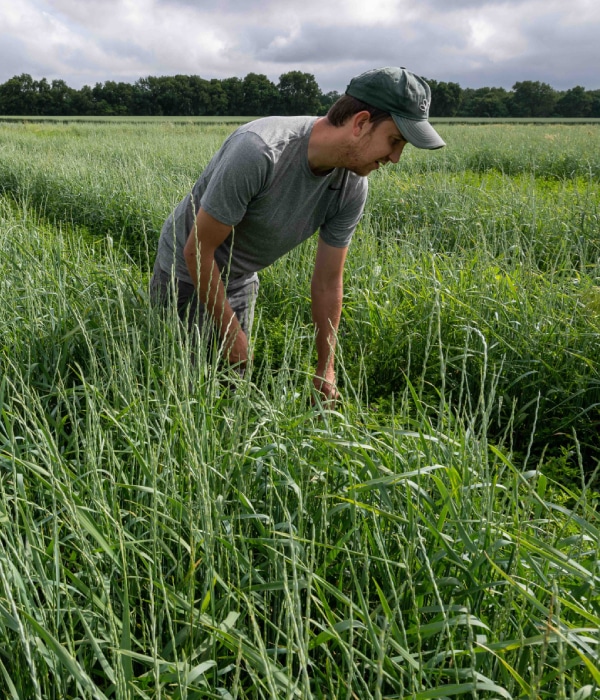
The Intermediate Wheatgrass (IWG) Thinopyrum intermedium (Host) Barkworth & D.R. Dewey, marketed under the trade name Kernza®, has been tested in France with a group of farmers since 2017. The Life Cycle Assessment (LCA) is a recognized methodology to assess the potential environmental impacts and resource consumption associated with a production system. An attributional LCA following ISO 14040/44 was conducted, focusing on static comparisons. The main purpose of this paper was to estimate the “cradle-to-farm gate” environmental effects caused by the cultivation of intermediate wheatgrass in comparison with the main crops produced, among which soft wheat and maize grain stand out. This research was conducted with 6 farmers: 3 under organic and 3 under conventional production. A comparative assessment was carried out annually and over 3 years of crop rotation to determine contributions to environmental impact. Several impact categories were evaluated, including global warming potential (GWP), ozone depletion (OD), freshwater eutrophication (FE), freshwater ecotoxicity (FEC), and acidification (AC). Intermediate wheatgrass (IWG) performs significantly better per hectare than annual crops due to its perennial nature, requiring less soil preparation and lower inputs. Conversely, IWG performs worse per ton due to its relatively low grain yield. IWG results show a higher contribution from mechanical practices than from cash crops, with 70% for GWP and OD, and 20% for FE, AC, and FEC, due to low fertilizer and pesticide use over the 3-year period. Grain yields of organically grown crops are lower than those of conventionally grown crops, regardless of the crop. Conventional management shows higher environmental impacts per hectare than organic on IWG and on annual crops in each category. Conversely, organic management on IWG leads to higher GWP and FE per volume due to regular mechanical weeding, inducing fuel consumption, and organic manure applied before sowing. The results on IWG show a significant difference in environmental performance per hectare and per ton between establishment year, including soil preparation, sowing, and fertilization, and succeeding years with limited practices, except for weed management and/or mulching.