Main Menu


Post
Intermediate wheatgrass as a dual use crop for grain and grazing



Researchers from the University of California Sustainable Agriculture Research and Education Program conducted surveys and interviews with various Kernza businesses to assess their familiarity with using the grain, sourcing and purchasing decisions, their overall experience using the novel perennial grain in a range of food and beverage products, and future opportunities to connect businesses with educational resources and grain samples.
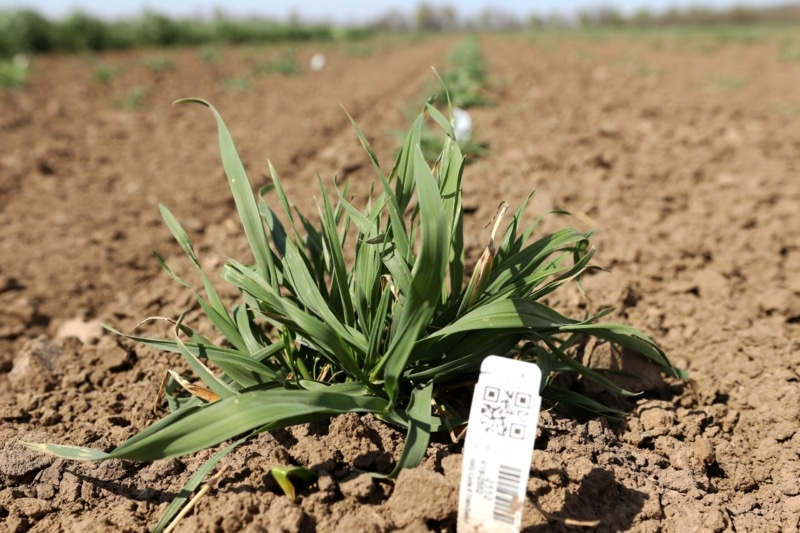
Kernza® (Thinopyrum intermedium) is a versatile grain used in products including beers, crackers, pasta, and baked goods. As a perennial, it presents an alternative to production systems which require annual tillage and shows potential for increasing soil health while reducing soil erosion and nitrate leaching. KernzaCAP affiliates, Forever Green Institute and The Land Institute (TLI), have conducted market studies to describe the landscape for Kernza products, and identify challenges, needs and successes around current Kernza product markets and business development. Up to this point, no Kernza market assessments have been conducted with a focus on California, which lies outside of the center of Kernza commercialization and supply chain development efforts in the Midwest. This report presents findings from surveys and interviews conducted with California grain-using businesses (beverage makers, bakers, consumer packaged goods (CPG) manufacturers and millers) between 2023 and 2024. The objectives of this assessment, focused on California grain-using businesses, are:
This report reflects perspectives from a sample of businesses that engage with the specialty grain supply chain. There were a relatively small number of participants in this study and the participating businesses skewed to small in size. A small proportion of participants had experience using Kernza, and most had experimented or used Kernza as an ingredient between 2017 and 2022. Since that time, Kernza quality has improved through breeding programs, the supply chain has developed, with more licensed suppliers and more acreage in production, and the Kernza community has produced technical guides and other resources for bakers, brewers, and other Kernza-curious food producers and manufacturers. The findings of the study surface barriers and enablers for the adoption of Kernza in California around topics including purchasing values, grain quality and supply, pricing, and customer engagement. We suggest there is an opportunity to re-engage California bakers, beverage makers, and other grain-using businesses with Kernza with these new educational resources and grain samples.