 Main Menu


Post
Intermediate wheatgrass as a dual use crop for grain and grazing


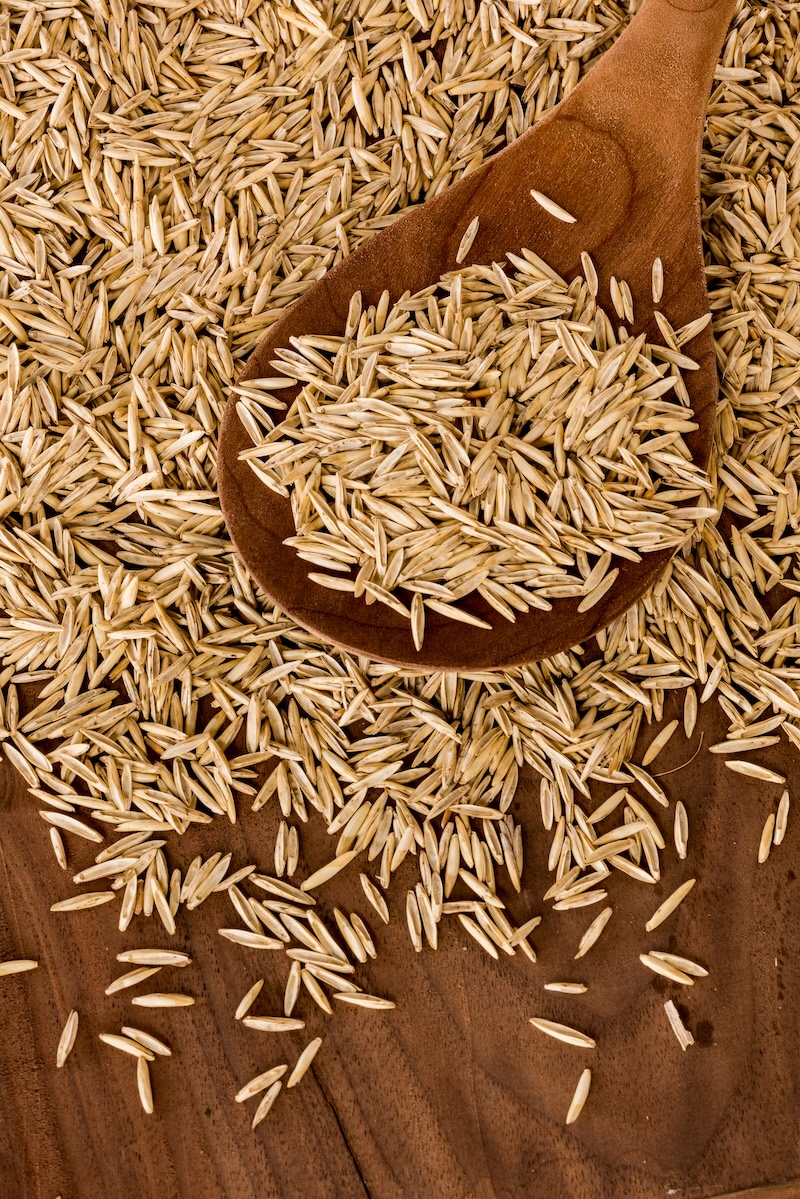
Food and beverage science research at the University of Minnesota investigated how producing Kernza® sake, using Kernza as a substitute for rice, affects fermentation, alcohol content, and broader chemical composition.
Replacing a portion of polished rice with intermediate wheatgrass (IWG) could diversify raw materials for sake, but its effects on composition and fermentation outcomes are not well characterized. The objective of this study was to quantify how adjunct form (whole vs. refined IWG) and level (7.5% or 15% w/w) influence starch and protein supply, free amino acids, sugars, pH, alcohol, organic acids, and volatiles in sake, using two commercial products as benchmarks.
Sake was brewed with 70%‑polished Calrose rice, yellow koji (Aspergillus oryzae), lactic‑acid–adjusted shubo, and static fermentation at 15°C following sandan‑jikomi. Whole IWG was hammer‑milled (< 250 µm); refined IWG was tempered, roller‑milled, and sieved (< 250 µm); flours were added directly (no heat treatment). After fermentation, liquids were separated by cold crashing and pasteurized (65°C, 30 min). Analyses included starch and protein (ingredients), total amino acids in ingredients (g/100 g) and free amino acids in sakes (mg/100 mL; arginine excluded due to co‑elution), glucose by HPAEC‑PAD, pH, ABV by GC‑FID (ASBC Beer‑4D), organic acids by HPLC‑UV, volatiles by HS‑SPME‑GC‑TOFMS, and PCA. Measurements used ≥ 2 biological replicates (commercials excepted) with technical duplicates.
Refining concentrated endosperm (starch 69.46 ± 1.36 vs. 44.14 ± 0.90 g/100 g in whole IWG) and reduced protein (15.25 ± 0.07 vs. 18.20 ± 0.00 g/100 g). Ingredient total amino acids followed WIWG > RIWG > rice (16.40, 13.85, 3.37 g/100 g). In finished sakes, free amino acids were highest with whole‑grain adjuncts (W15 ≈ 309; W7.5 ≈ 299 mg/100 mL), intermediate for RICE and R7.5 (each ≈245), and lowest for R15 (231). Across sakes, aspartate was the highest free amino acids (mean ≈ 95.5 mg/100 mL). Glucose declined over 15 days (e.g., Rice 4.75 → 3.71 g/100 mL), pH was stable (3.47–3.82), and ABV rose to 11.44–17.81% (Rice highest at moromi). In‑house brews had high citric acid (~2528–4472 ppm) versus commercial references (~97–150 ppm); lactic and malic acids were also higher. Volatile profiling (29 compounds) showed lower isoamyl acetate in all IWG sakes (73–429 ppb) and very high ethyl hexanoate in Taka (2577 ppb). PCA (PC1 = 41.0%, PC2 = 34.7%) separated samples by heavier aldehydes/lactones versus light esters/higher alcohols and highlighted medium‑chain ester features.
Adjunct form and level are key factors in producing IWG sake. Use of whole‑grain IWG increased free amino acids, favored medium‑chain ester formation, and achieved higher ABV than refined IWG at matched inclusion, whereas higher refinement of IWG reduced the free‑amino‑acid pool and light esters. These data provide a compositional baseline for optimizing IWG‑adjunct sake through ingredient selection and process control; however, under the conditions tested, IWG did not yield a compositional profile clearly advantageous for sake quality.