 Main Menu


Post
Intermediate wheatgrass as a dual use crop for grain and grazing


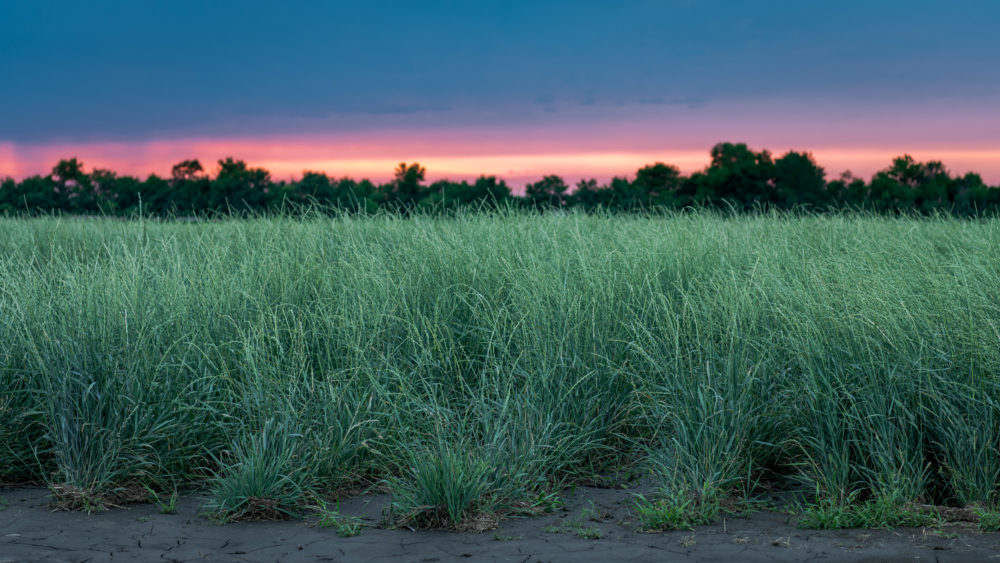
Kernza research collaborators across the US analyzed 300 samples across diverse climates and identified key genes that impact the crop’s adaptability to temperature and rainfall. These findings provide insights into breeding efforts for climate-resilient Kernza varieties.
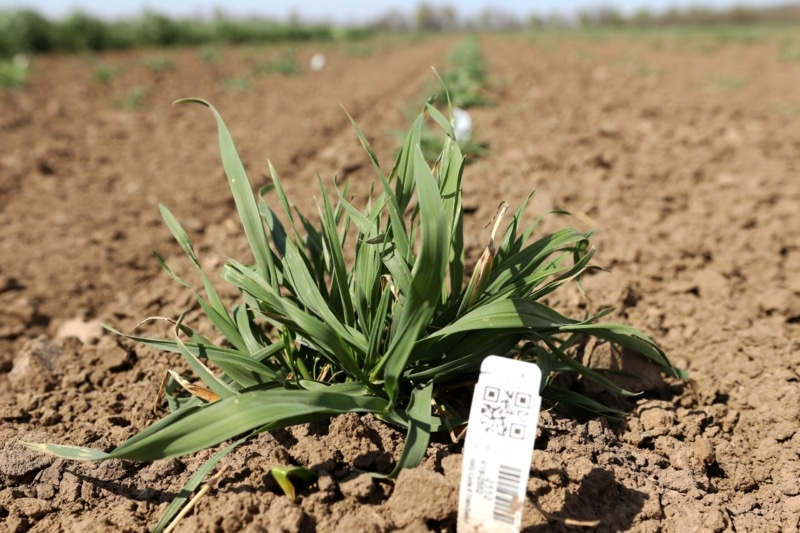
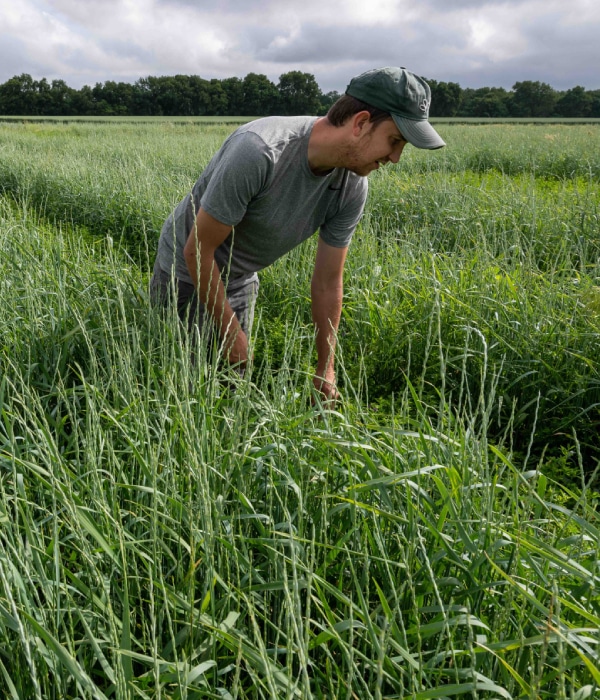
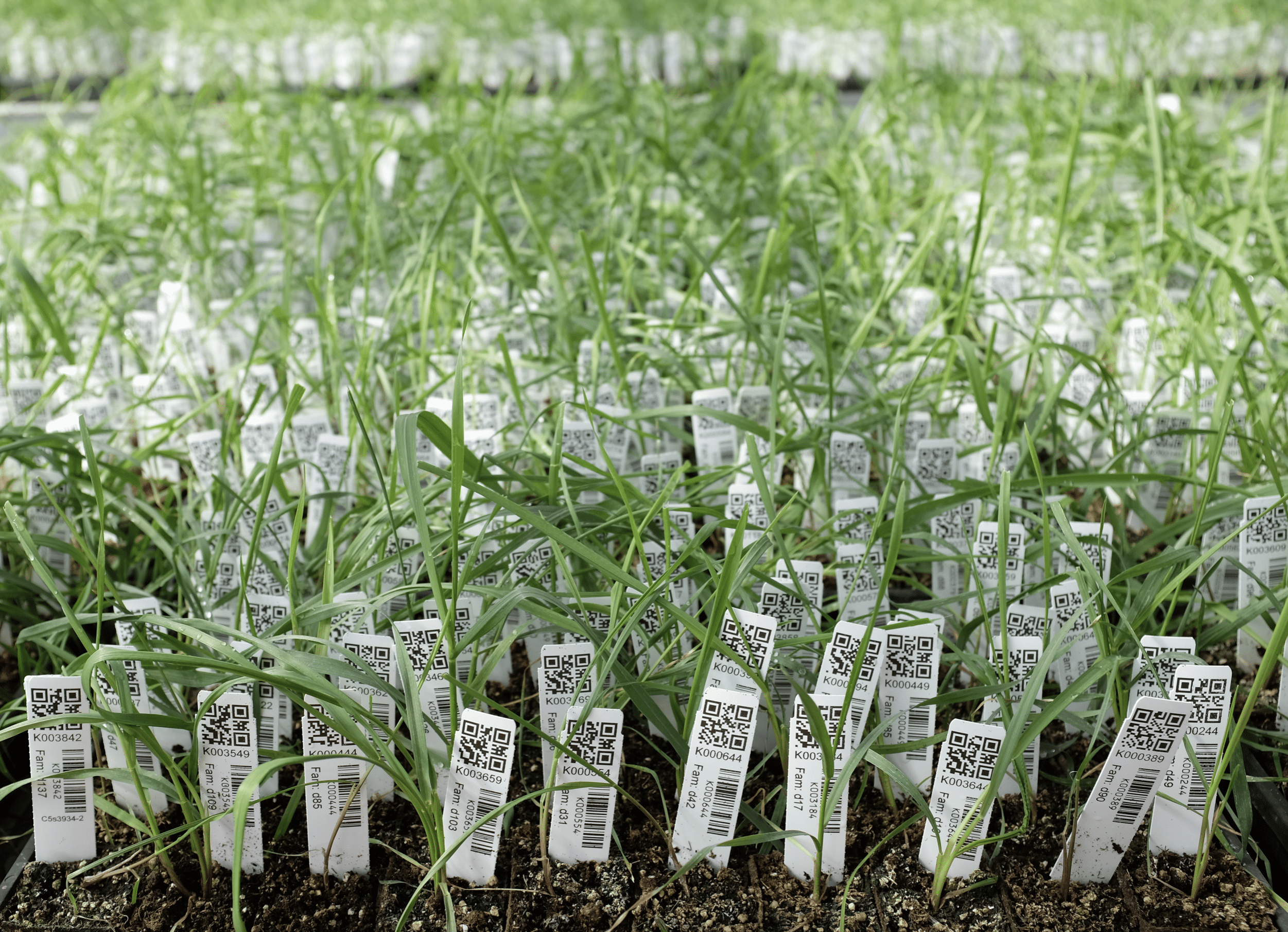
Intermediate wheatgrass (IWG; Thinopyrum intermedium) is a perennial grain crop that offers many environmental benefits through extensive root systems in addition to food production. IWG’s distribution across broad environmental gradients in Eurasia provides a model system for studying climate adaptation genetics essential for developing climate‐resilient varieties, and exploring this can help provide opportunities for allele mining and population improvement for breeding programs. Genome–environment association methods were used to explore 296 georeferenced accessions genotyped with 17,797 single‐nucleotide polymorphisms across 19 bioclimatic variables. An environmental genome‐wide association identified 10 associations (p < 2.8 × 10⁻⁶, genome‐wide Bonferroni correction) with large individual effects (R² = 6.1%–10.4%, mean = 8.2%), indicating oligogenic genetic architecture was characteristic of climate adaptation traits. Two‐way analysis of variance testing genotype × cluster interactions revealed predominantly parallel adaptation, with 75.8% of associations showing consistent allelic effects across genetic backgrounds. The combination of large‐effect loci and consistent allelic effects across clusters enables many different breeding strategies that can focus on distinct markers associated with temperature adaptation, precipitation adaptation, or improving specific clusters that show resilience.